10F, Building B, Erqi Center, Erqi District,
Zhengzhou City,
Henan Province, China
Wit:+86 15138685087
(WhatsApp/Wechat)

10F, Building B, Erqi Center, Erqi District,
Zhengzhou City,
Henan Province, China
Wit:+86 15138685087
(WhatsApp/Wechat)

Common outdoor projects include municipal infrastructure, construction site fencing, and container projects. These projects are constantly exposed to harsh environments such as intense sunlight, high humidity, salt spray, and extreme temperature fluctuations. If the wrong materials are selected, issues such as corrosion, deformation, and coating peeling can easily arise, leading to frequent repairs or even structural failure.
In outdoor engineering, the selection of steel directly determines the project’s durability, safety, and overall cost. This article recommends the most suitable steel products for three common types of projects.
Outdoor engineering is not merely affected by moisture or sunlight; it is subject to the combined effects of UV radiation, salt fog, acid rain, temperature fluctuations, and mechanical vibrations. Under this “environmental fatigue,” the protective layers of ordinary steel or low-grade coated products will age rapidly, allowing microcracks to propagate, ultimately leading to pitting corrosion or structural instability.
Many purchasers focus solely on surface corrosion protection, neglecting the protection of cut edges, punched holes, and welded areas. In these areas, coating damage or residual stress concentration often causes corrosion to appear 2–3 years earlier than on the base material, becoming the “weak link” in the overall service life.
To reduce costs, some steel products have reduced alloy content or coating adhesion, leading to coating cracking and base material exposure after bending, stamping, or welding. Since this cannot be remedied at overseas construction sites, the material must be scrapped or downgraded for use.
Overseas projects involve sea and land transport as well as open-air storage. If steel packaging fails to account for moisture, salt fog, and mechanical scratches, hidden rust or coating wear may develop before the material even reaches the construction site. Once installed, these issues quickly become apparent, making it difficult to determine liability.
Container projects include standard containers, modular container housing, and similar applications.
Long-term exposure to mechanical impacts such as hoisting, stacking, and transportation vibrations; high-salt-fog environments in coastal ports and shipping routes; potential for varying cargo loads and fluctuations in temperature and humidity.
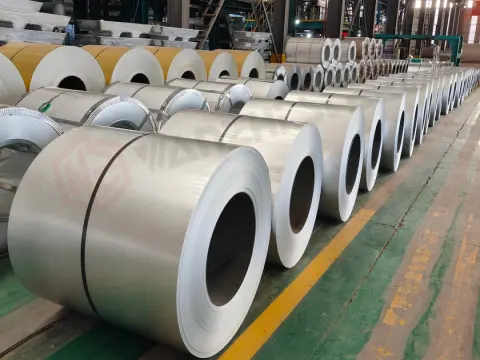
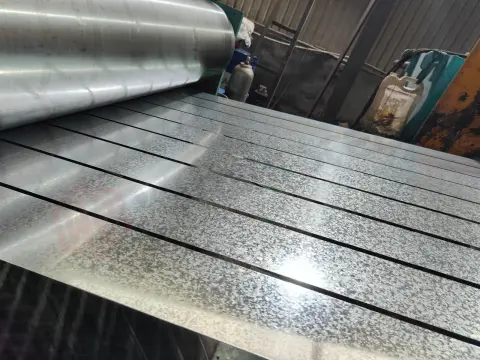
Galvalume steel (e.g., 55% Al-Zn) combines the chemical passivation of aluminum with the cathodic protection of zinc. It exhibits low corrosion migration at cut edges and offers a service life 1.5 to 2 times longer than standard galvanized steel in coastal salt fog environments.
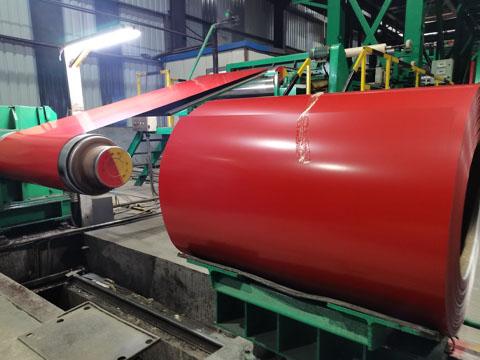
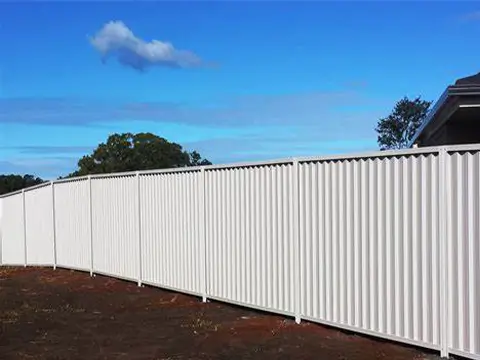
Construction site fencing projects include construction enclosures, municipal barriers, temporary guardrails, and similar applications.
Designed for temporary or semi-permanent outdoor use, requiring rapid installation and dismantling; frequently exposed to wind, sand, dust, and airflow from nearby vehicles; surface colors and markings must remain highly visible; some projects require materials to be reusable after dismantling.
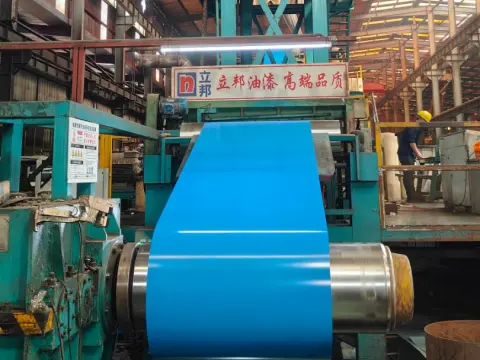
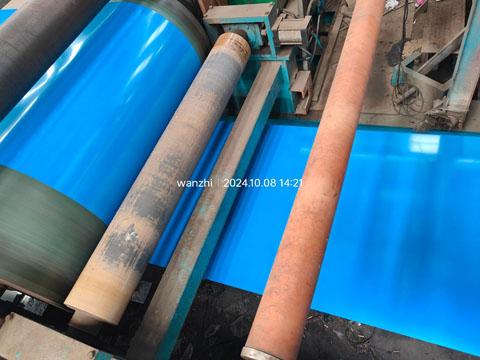
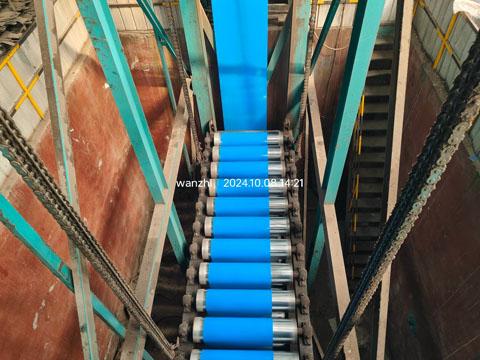
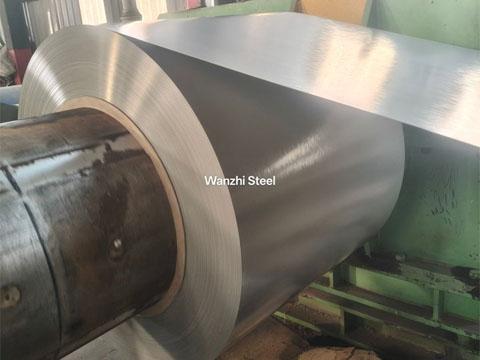
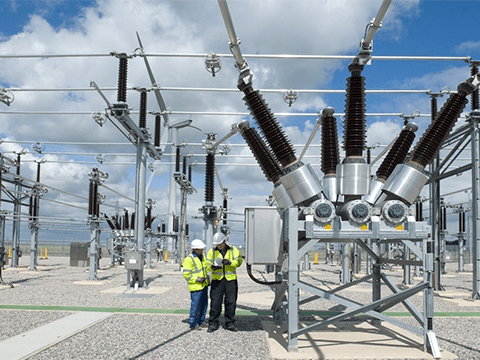
Municipal infrastructure projects include road guardrails, outdoor steel structures, bus shelters, and signposts.
Design life typically ranges from 10 to 30 years; exposure to urban or rural environments, including de-icing salts (inland), acid rain, and chloride ions in some coastal areas; involves secondary processing such as bending, welding, and bolted connections.
Reference ISO 9223 standards to classify the project site as C2 (low corrosion), C3 (moderate), C4 (high), or C5 (very high). Coastal salt fog areas are typically ≥C4.
Does the project involve extensive cutting, punching, or welding? If so, prioritize zinc-aluminum-magnesium alloys with “self-healing” properties at cut edges, or require a supplementary cold-galvanized coating after pre-machining.
Do not focus solely on the price per ton; instead, calculate “purchase price + shipping protection costs + estimated rework rate × cost per rework.” Although the unit price of zinc-aluminum-magnesium sheets is 10–15% higher, their service life is extended by over 50%, often making them a more cost-effective choice.
Request factory test reports (MTC), business licenses, ISO certificates, etc. If possible, conduct on-site factory visits or virtual factory tours.
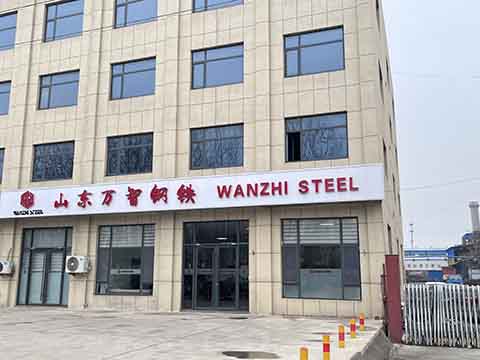
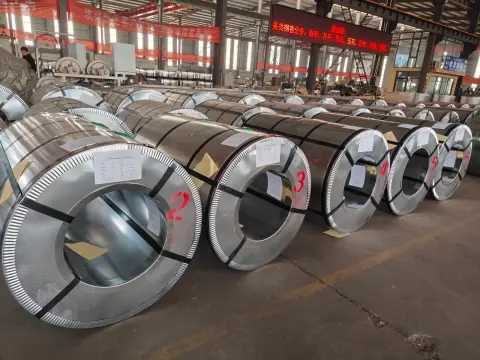
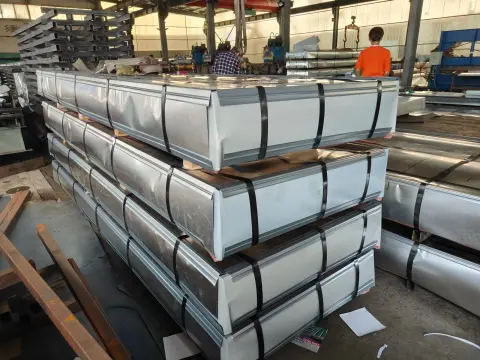
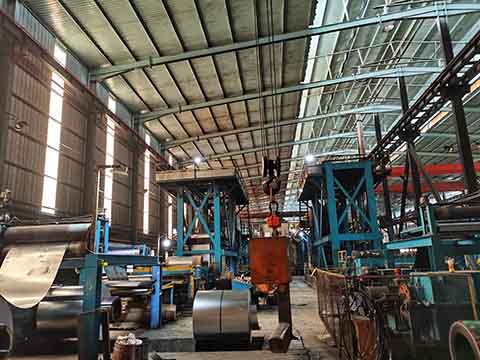
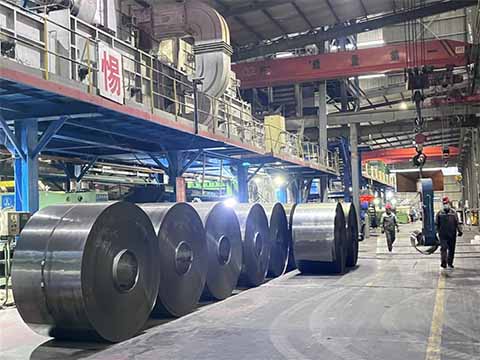
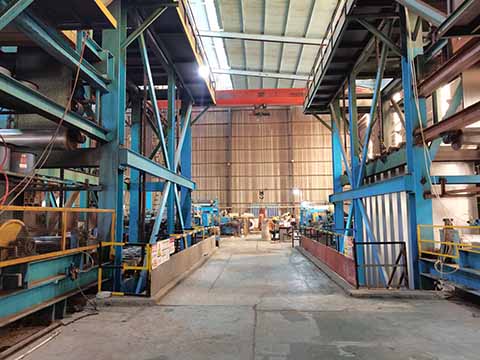
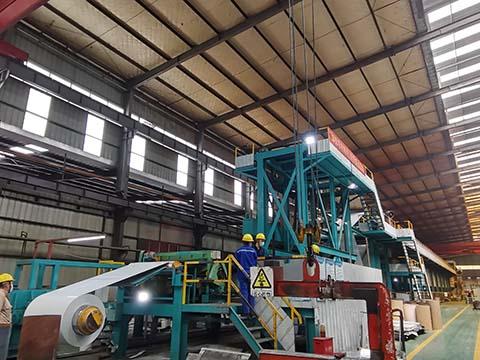
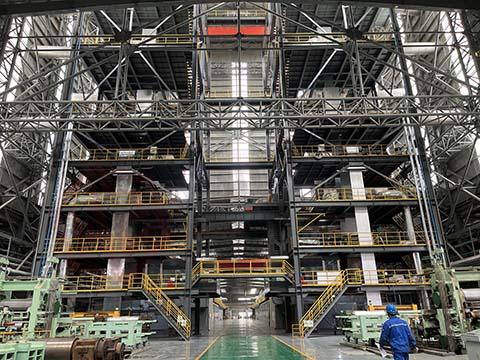
Wanzhi Steel is a company with over 15 years of history, featuring a comprehensive supply chain and a diverse product range that includes pre-painted steel coils, galvanized steel coils, and GL steel coils. If you have any needs, please feel free to contact us at any time.